AI Is for Building
There are a lot of ways I could approach my business, and it's always difficult to know which is the best path to take. But with the tech we have available these days, it's very exciting what's possible to build.
A Hammer Doesn't Pick Sides

What I've found so far is that AI, like any other tool, can be used for good or for evil. Just like a hammer can be used to build a house, it can also be used to hit someone in the head.
It's the same with AI. It can be used to build useful things, or it can be used to pretend to be a human and pretend it's the same as human creativity, which obviously it's not.
What a computer is to me is the most remarkable tool that we have ever come up with. It's the equivalent of a bicycle for our minds.
From an interview in Memory & Imagination: New Pathways to the Library of Congress (1990). The exact wording varies slightly between versions of it.
Over 100 Apps I Don't Pay For
That's why I've found that the best way of using AI has been to build things. To build apps.
Personal apps that help you improve the way you work and save you time on the manual parts of work that don't contribute meaningfully to your life.
Everybody in the world is now a programmer. This is the miracle of artificial intelligence... you now have a computer that will do what you tell it to do to help automate your work to amplify your productivity.
From his conversation with Omar Al Olama at the World Government Summit in Dubai, February 2024.
And at the same time, apps that help you build systems, workflows and methods that make you more efficient and more creative.
And even better if you can build the sort of things that can help others as well.

I've been doing this for the last 2 years, and I've created over 100 personal apps. Now, granted, not all of them were great successes, and many of them I no longer use.
But the ones I do use are incredible. I wish more people discovered this incredible skill.
I've seriously replaced my need to pay other people to create apps for me. Now I rely a lot more on my own apps and platforms instead of relying on others, which is amazing.
We shape our tools and thereafter our tools shape us.
From John M. Culkin's article "A Schoolman's Guide to Marshall McLuhan", Saturday Review, March 1967. It's often credited to McLuhan himself, but Culkin's article is the earliest confirmed source.
Someone Else's Goals
Their Support Won't Save Your Business or Workflow
The biggest jump I've made here has been with my course platform, the place where I host my video courses and sell them to my clients.
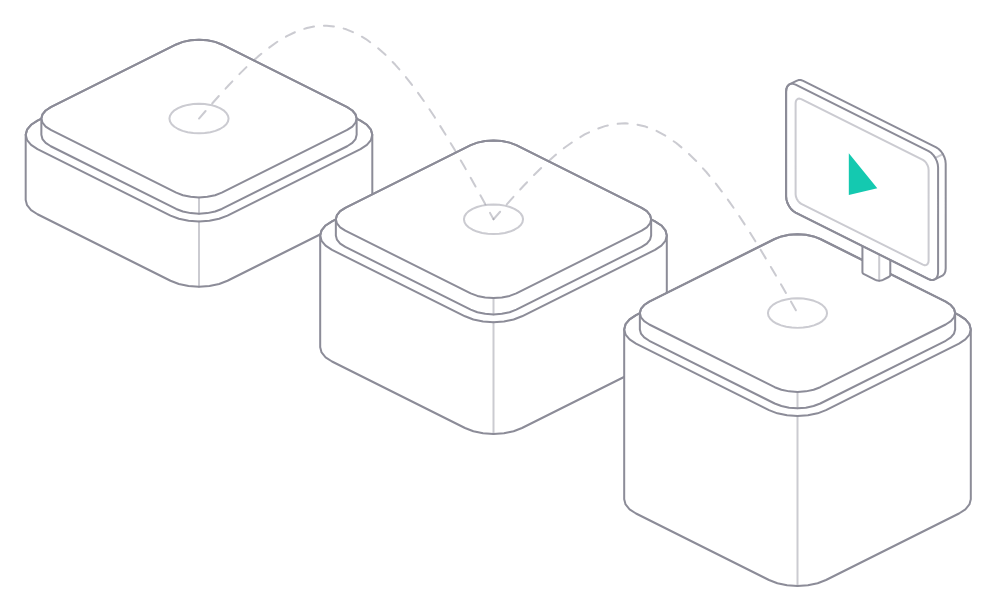
I've jumped from platform to platform, because I was never satisfied.
I always felt a super annoying frustration that no matter how much you contact the customer support of the platforms you use to create your website, they're just not interested in solving the problem.
Not to mention the crazy prices.
We have to admit the reality that customer support is there to work for the goals of the business. The business, fair enough, is just trying to make money.
They have to have the sort of features that are going to work for the largest number of people, without necessarily building features that are going to be a headache for them to maintain.
So fair enough when they say no to the thing you need, because maybe you're one of maybe 10 people at most that would actually use that feature, and that increases their cost to first build the feature and then maintain it.
So building your own custom platform instead saves you so much money that you were otherwise paying them, and you have a much more customized, personalized solution.
You don't lack resources, you lack resourcefulness.
A paraphrase of a line from his TED2006 talk, "Why we do what we do": "The defining factor is never resources; it's resourcefulness."
Frustrated? Just Fix It
Same with my website, especially when it comes to having a really nice blog. Your website is the central place of everything you do online, where you can always link to any relevant social media, as well as any other paid products you might sell.
And if any of these sound like you, there is nothing better than an efficient, well-working website:
- You write
- You want your blog posts organized
- You want to collect emails for your newsletter
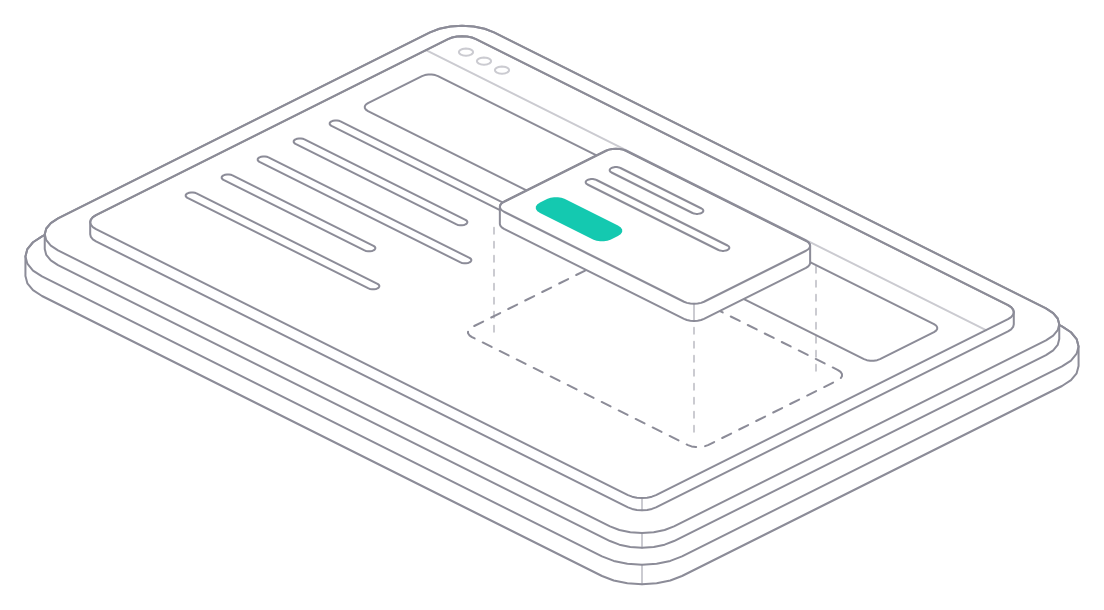
Again, that's another area where I've tried so many different website providers. Everything is exciting when you first try it out.
But when you have your own personal website and something about it frustrates you, you can just fix it.
If it is broken, fix it. If you don't like it, change it.
Widely credited to Casey Neistat, though I couldn't find the video or interview where he says it. It's possible someone said it before him, but if so, the earlier source is anonymous.
You can add the feature that's missing. You can improve things however you wish, and convey the message you want to convey to the world.
It helps you reach your goals, rather than someone else's goals.
I must Create a System, or be enslav'd by another Man's. I will not Reason & Compare: my business is to Create.
From Jerusalem, plate 10. The words are spoken by Los, a character in the poem.
I'd Rather Work the Way I Work
Other platforms try to get you to adapt your workflow to how they think, or to how they make things accessible to the masses. I'd rather work the way I work.
Whoso would be a man must be a nonconformist.
From his essay Self-Reliance (1841).
I Talk, My Website Changes
For instance, whenever I want to update my website, I just dictate the changes I want, and my AI agent makes them straight away.
If I want to write a new blog post, I just dictate what I want. Then I go to my website and read it.
I can build all sorts of cool features, like text-to-speech that reads it back to me. And I can dictate any changes I want.
A Jarvis Experience
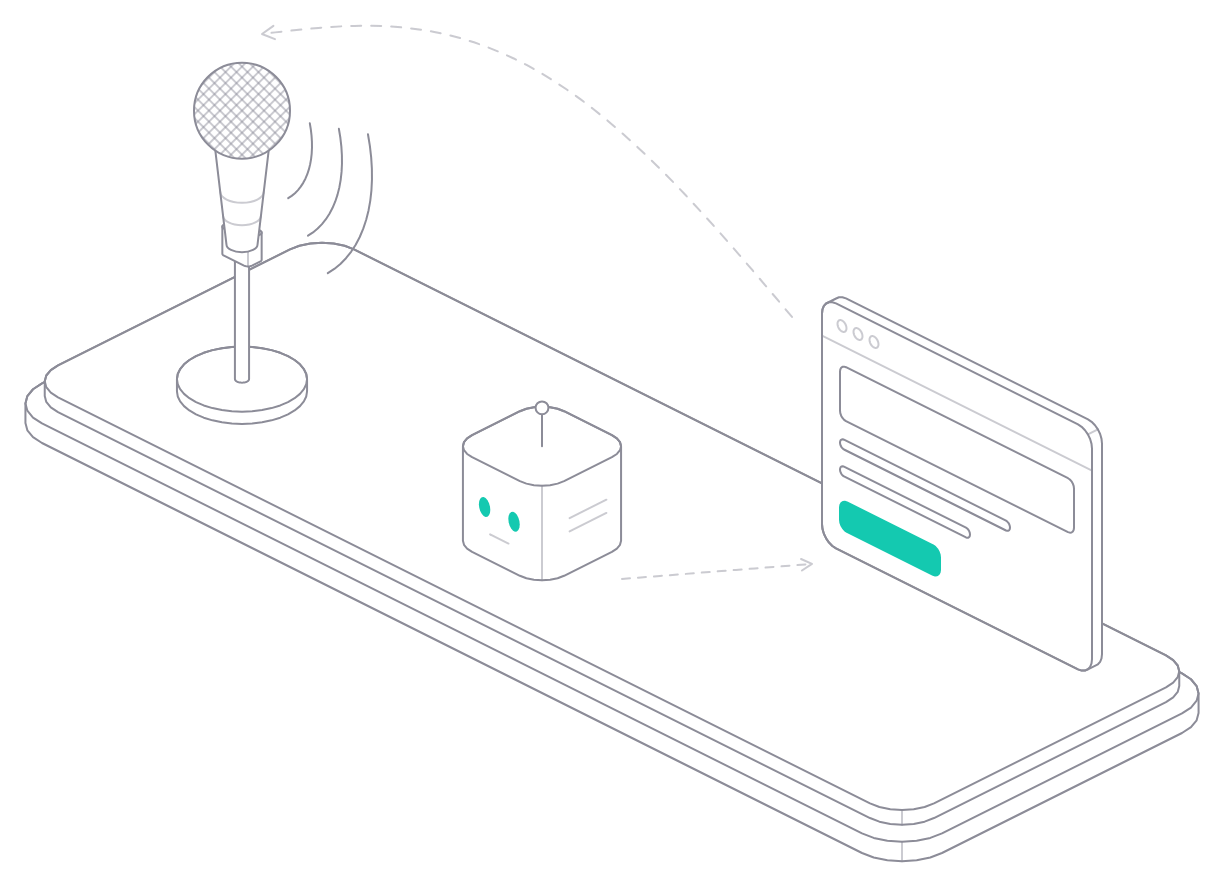
It seriously feels like a Jarvis experience, where I'm the mastermind behind it all.
I use my voice to explain what I want, my AI agent builds it, and I give it feedback with my voice again. It's a constant process between explaining what I want and getting what I want.
Of course, it's still a skill. The better you get at working with your AI robot, the better results you'll get. But it's an exciting time to be alive.
The best way to predict the future is to invent it.
He first said it at a 1971 meeting at Xerox PARC.
Where My Thoughts Stay Put
A Private Room Below This Post
This daily post has a section below what you're reading right now. A private place that only I can read, as the admin of this website.
It's an amazing thing that I highly recommend. Publishing on a website where everything's very aesthetic and very well organized, and then having a section that's just for me, has been incredible.
It's for thoughts that are a bit more private. More in the sense that I don't want them published and made public on this website.
My Notes Never Stay Organized
Since yesterday, when I decided to get back into writing these daily posts, I'm discovering that it's an incredible way to organize my thoughts, in a way that really stays well organized for posterity.
As much as I have good note-taking apps like Obsidian, over the years I eventually end up reorganizing a lot of things.
Ultimately, anything I want to revisit, I either see what I said about it on YouTube or in the writings I created.
Someone Might Be Reading
And it's incredible to have most of these thoughts out there. The ones that aren't private, the ones you're reading right now.
Knowing that others might read this gives me a certain accountability. It holds me to a higher standard and more dedication than I'd have for a private note, and that's an amazing feeling.
As you can see, since I started writing publicly on my website again, today I'm writing a lot more than I probably will in future days.
And I need to acknowledge that some days I just won't publish anything, and that's okay. The pressure I put on myself to always have the perfect streak is what ultimately ends up with me not publishing.
But for this, I'm excited. I'm taking advantage of it, and using it as a public way to think and process my thoughts.
Footnotes
-
From an interview in Memory & Imagination: New Pathways to the Library of Congress (1990). The exact wording varies slightly between versions of it. ↩
-
From his conversation with Omar Al Olama at the World Government Summit in Dubai, February 2024. ↩
-
From John M. Culkin's article "A Schoolman's Guide to Marshall McLuhan", Saturday Review, March 1967. It's often credited to McLuhan himself, but Culkin's article is the earliest confirmed source. ↩
-
A paraphrase of a line from his TED2006 talk, "Why we do what we do": "The defining factor is never resources; it's resourcefulness." ↩
-
Widely credited to Casey Neistat, though I couldn't find the video or interview where he says it. It's possible someone said it before him, but if so, the earlier source is anonymous. ↩
-
From Jerusalem, plate 10. The words are spoken by Los, a character in the poem. ↩
-
From his essay Self-Reliance (1841). ↩
-
He first said it at a 1971 meeting at Xerox PARC. ↩
I'd love to hear your thoughts.
You can leave a quick comment.